In May 2010, Indonesia’s President, Susilo Bambang Yudhoyono, signed a Letter of Intent with Norway for a US$1 billion REDD deal. In December 2010, Yudhoyono announced that Central Kalimantan would be a pilot province under the deal. This means that Central Kalimantan’s remaining forests are protected, right? Wrong.
Part of the problem is the two-year moratorium, another part of the Indonesia-Norway US$1 billion deal. The moratorium applies only to new forest concessions, and not to existing concessions. But as Rainforest Foundation Norway’s Anja Lillegraven points out, existing concessions in Central Kalimantan cover an area of 78% of the province, a staggering 13 million hectares.
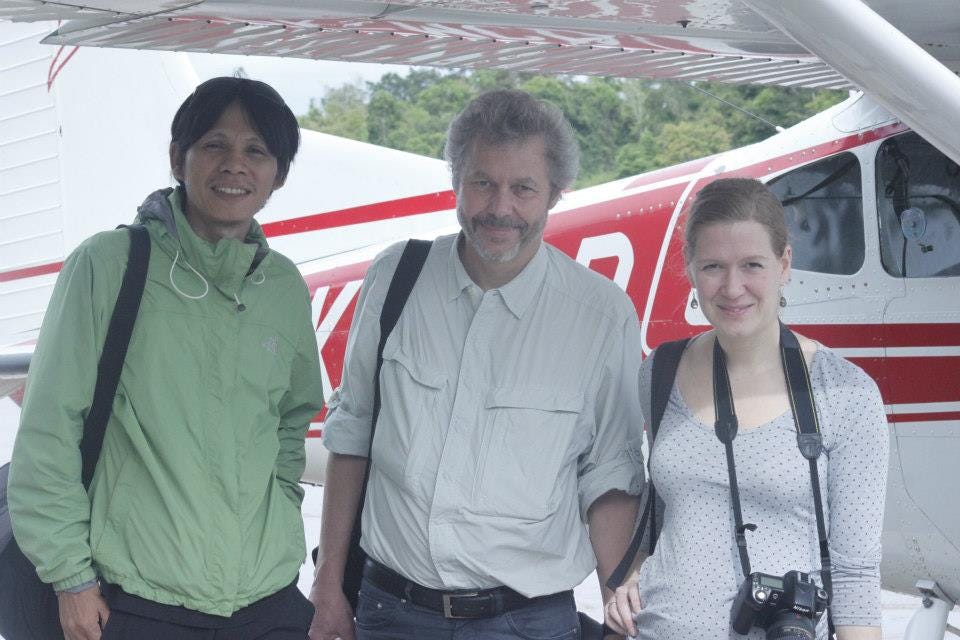
Lillegraven was recently part of a Rainforest Foundation Norway team that travelled to Central Kalimantan to take a look at the US$1 billion dollar pilot province’s forests. She wrote the following guest post for REDD-Monitor:
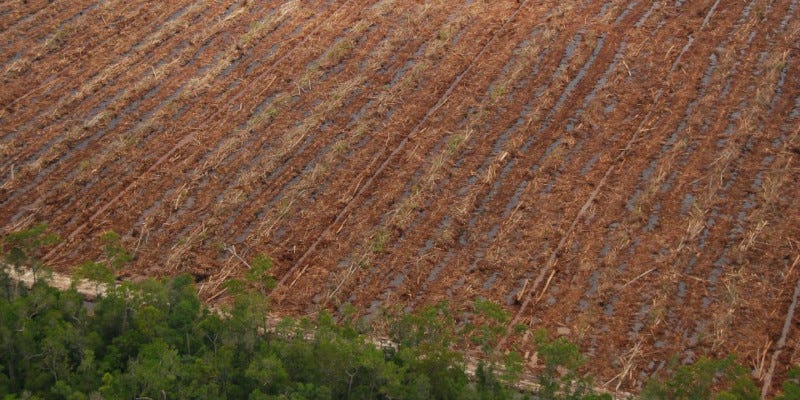
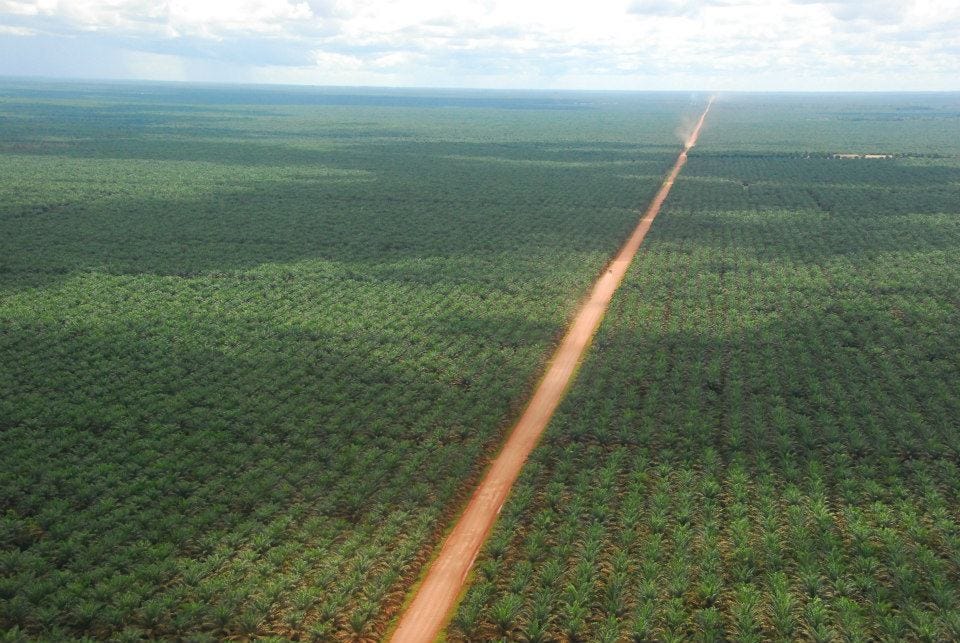
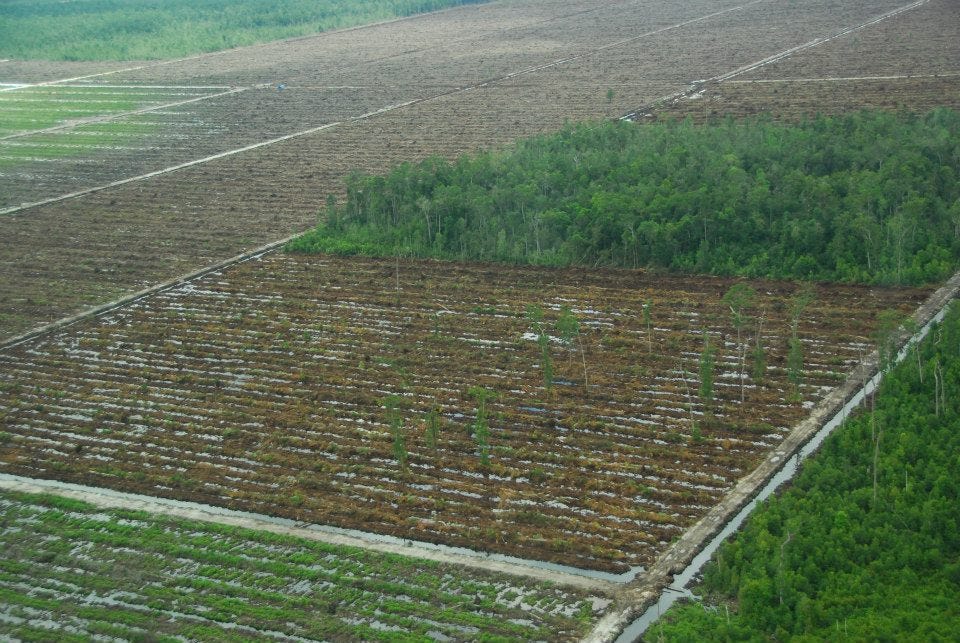
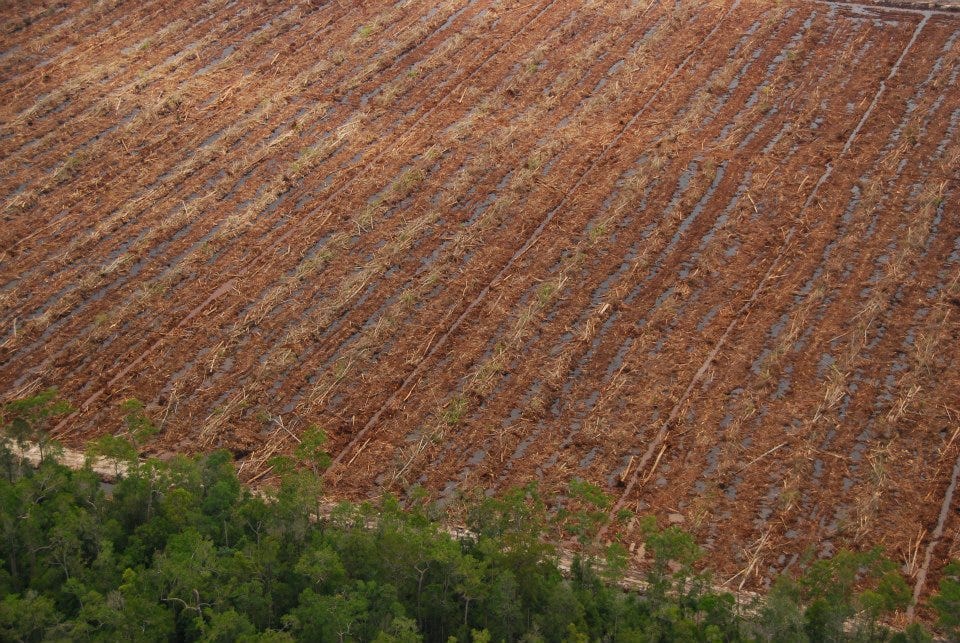
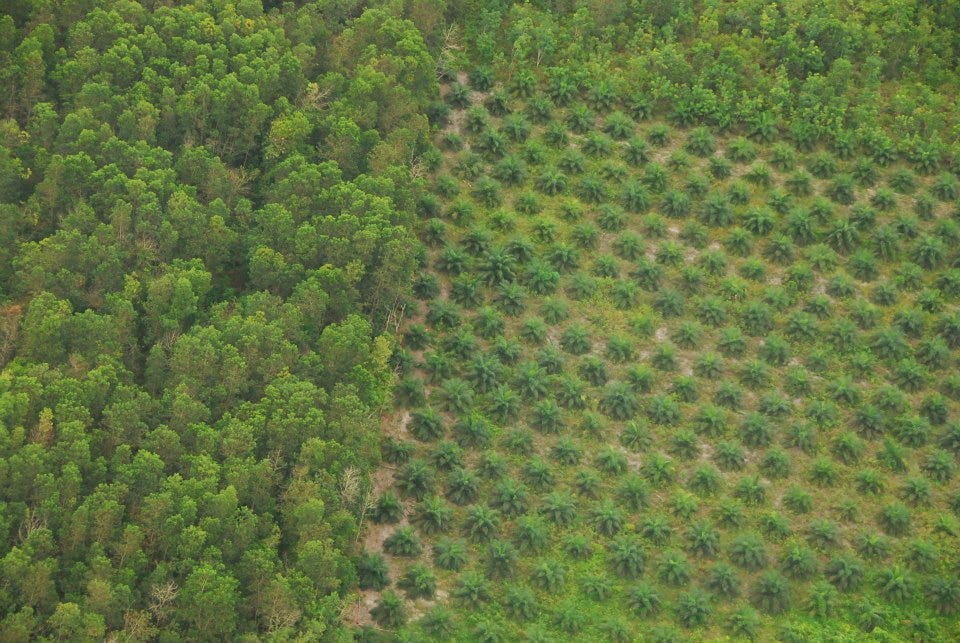
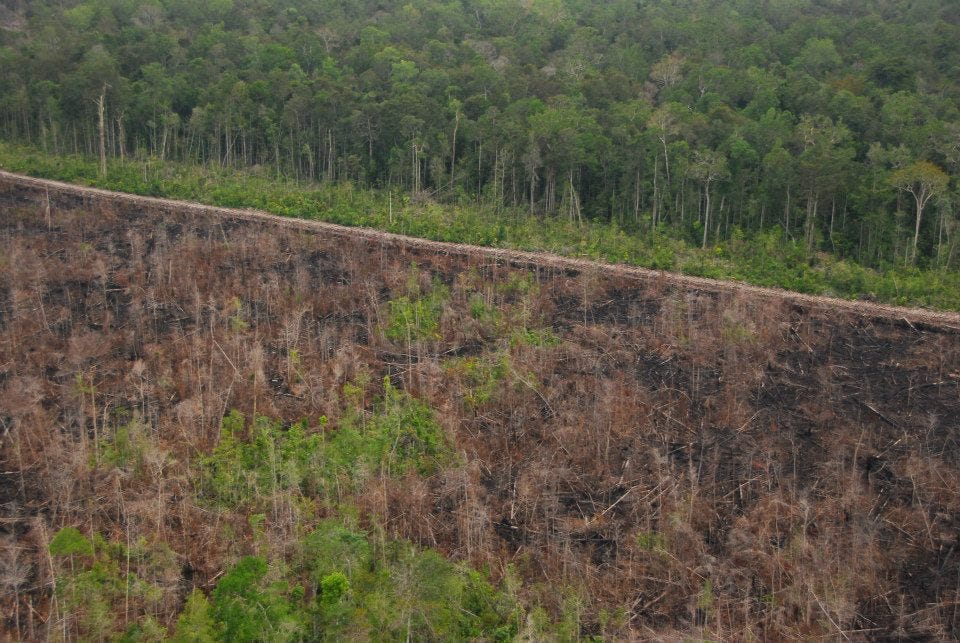
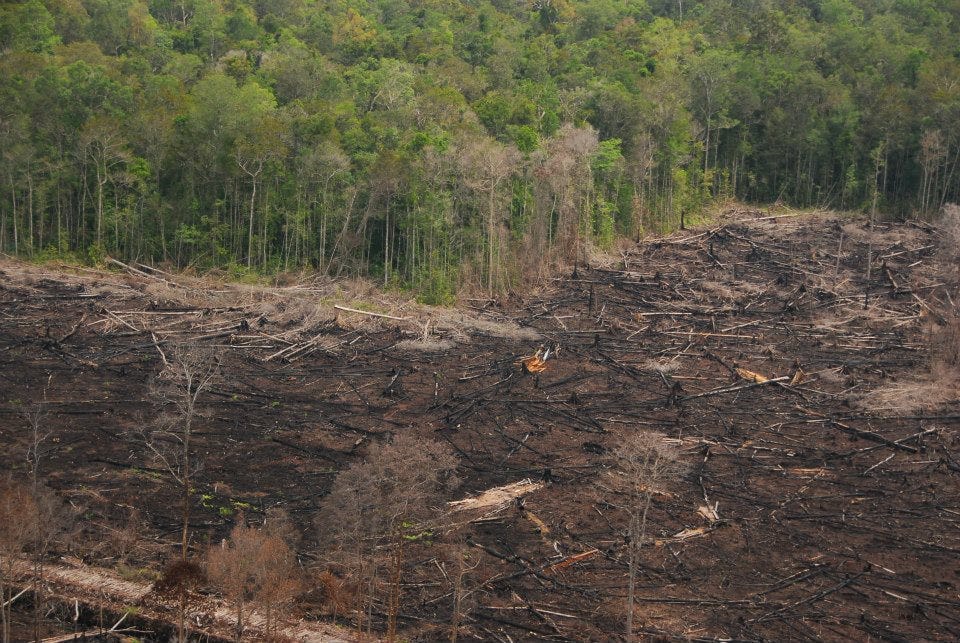
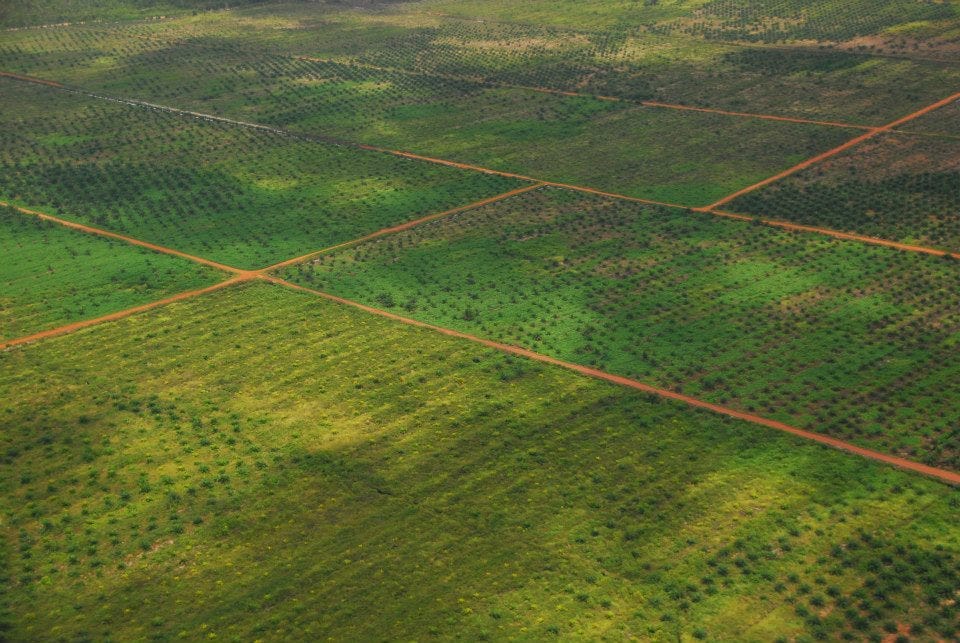
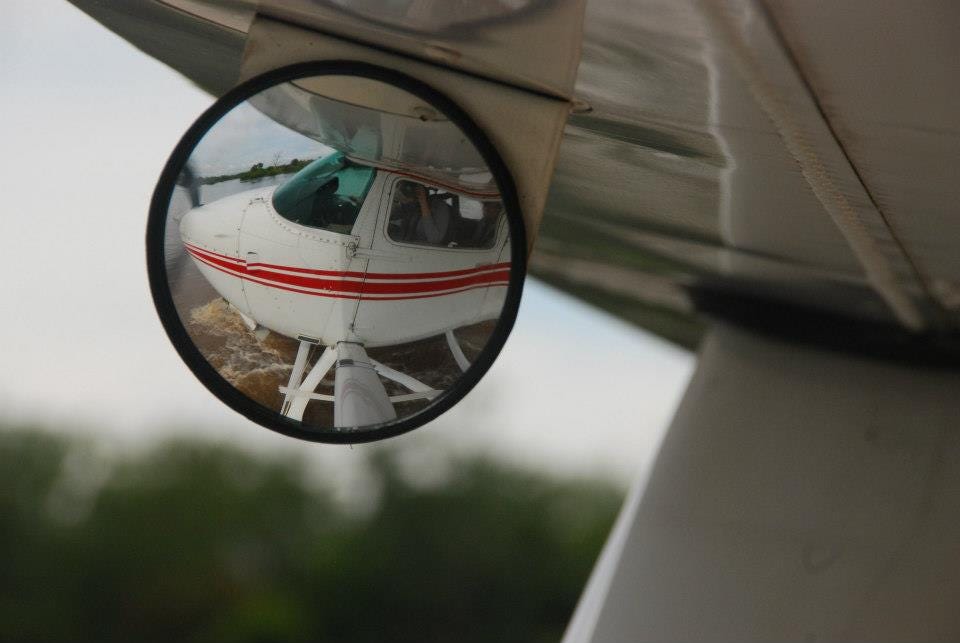
In December 2012, a small team from the Rainforest Foundation Norway travelled to Central Kalimantan, Indonesia. Together with our local partner Walhi Central Kalimantan, we wanted to take a look at the current situation in the province that two years back was selected as a pilot under the Letter of Intent between Indonesia and Norway. The situation was daunting. The total area already under various forms of forestry licenses in Central Kalimantan is almost 13 million hectares, making up 78% of the total area of the province! No wonder we could fly for almost three hours and see not much but palm oil and degraded forest.
Most of the plantation area we saw from the plane belonged to Wilmar. The palm oil company was recently ranked as the worst performing company in a “green ranking” of the world’s 500 largest companies by Newsweek. To RFN, this company is of particular interest, since the Norwegian Pension Fund has invested US$64 million in Wilmar. You can read more about this in the report Beauty and the Beast published earlier this year.
After years of harsh criticism from RFN and other environmental and human rights organisations, we saw it as a great victory when Norway’s Pension Fund established tropical forest protection as a priority theme within its social and environmental ownership strategy last month. The Fund now requests companies to reduce their contribution to deforestation in rainforest countries. But the Pension Fund’s management has not yet revealed how it will enter into dialogue with the companies, nor if the results from the dialogue will be made available to the public. RFN demands transparency and insight into how the Fund’s ethical policy is implemented.
RFN is also attempting to reduce the oil palm catastrophe through other means. Last autumn, we launched a campaign with two aims; to reduce Norwegian palm oil consumption and to expose the link between deforestation and the production of this vegetable oil. The campaign was a huge success! In 2011, Norwegian food producers used 15 000 tons of palm oil. Today, consumption is reduced by two thirds! Read more about the campaign here.
We in RFN are doing our best to reduce demand for palm oil. But Indonesia must also do its part. Indonesia’s President Yudhoyono has indeed taken bold steps to reduce deforestation in his country, for example by signing the Letter of Intent on REDD with Norway and when he instructed the moratorium in 2011. But in Central Kalimantan, we are yet to see results of the new policies . . .
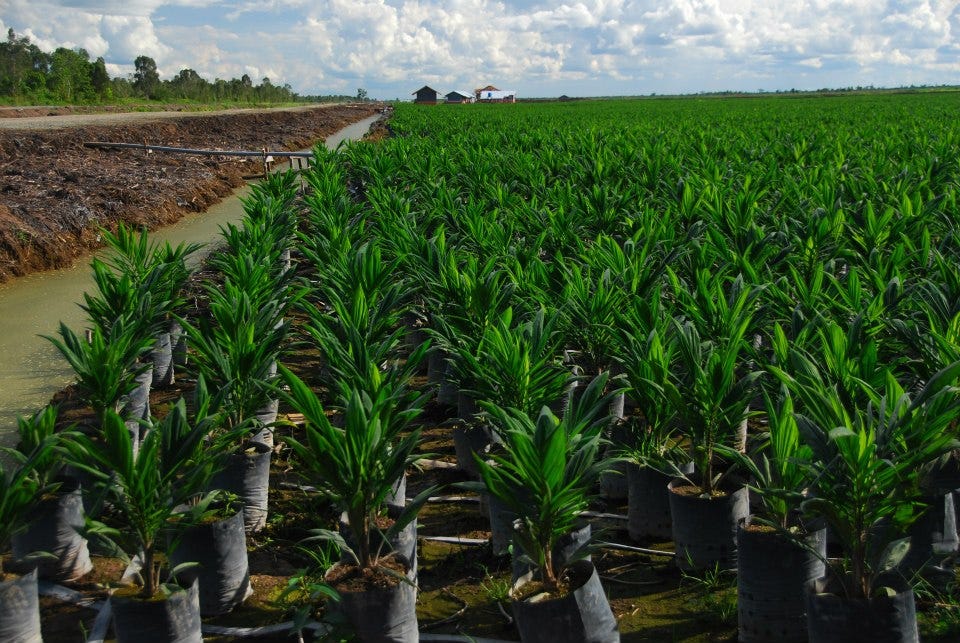
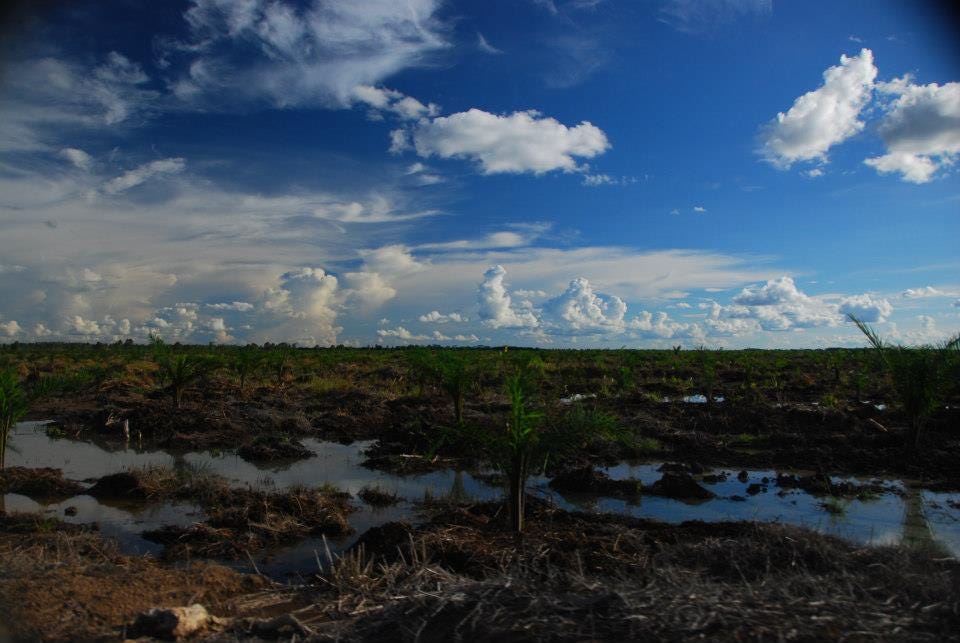
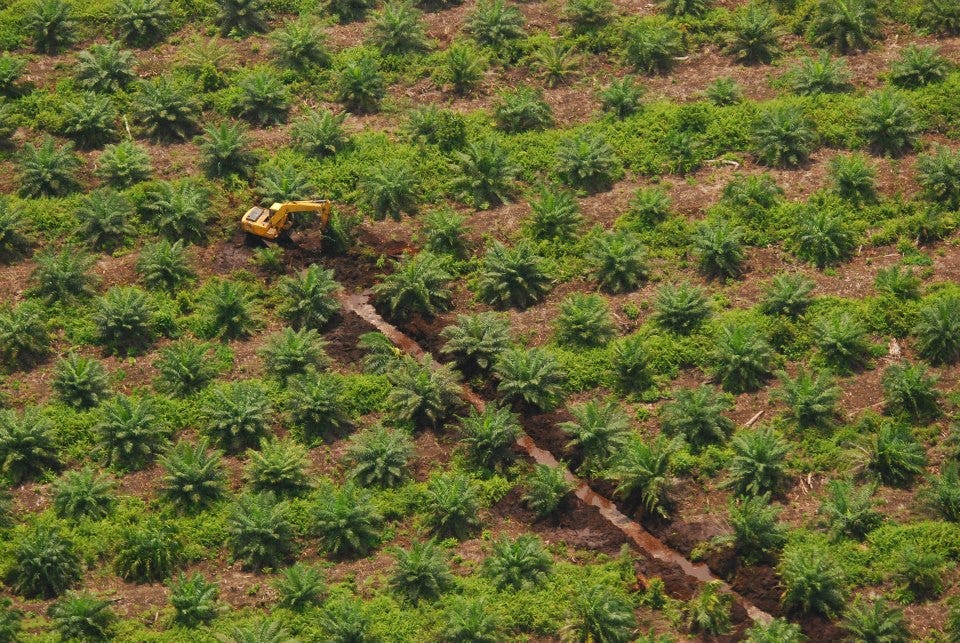
Oil palm seedlings until the horizon. This is the seedling bank of PT Lifere Agro Kapuas.
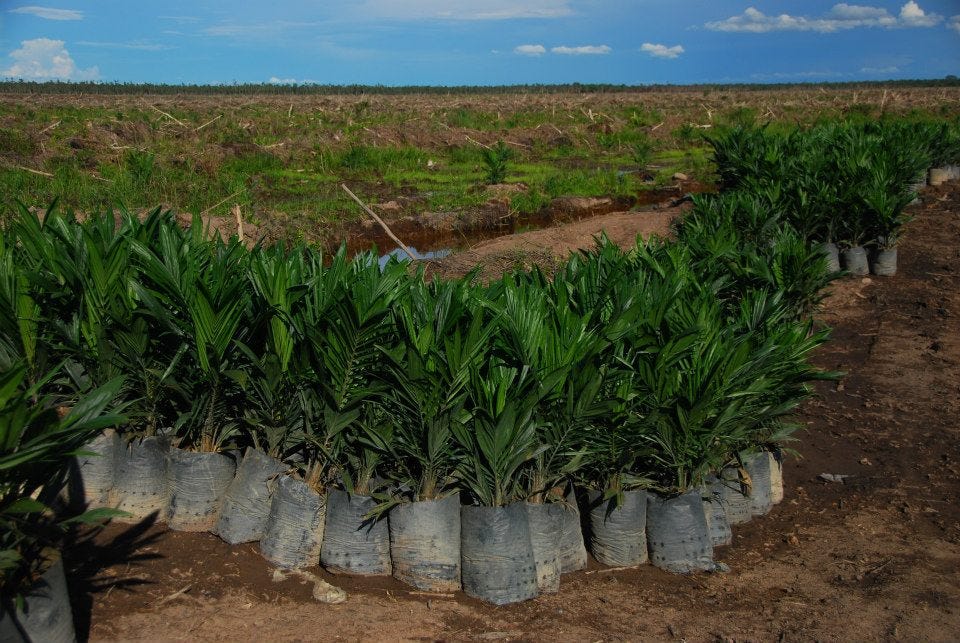
Seedlings ready to be planted. Behind, you can see the clearcut plantation area.
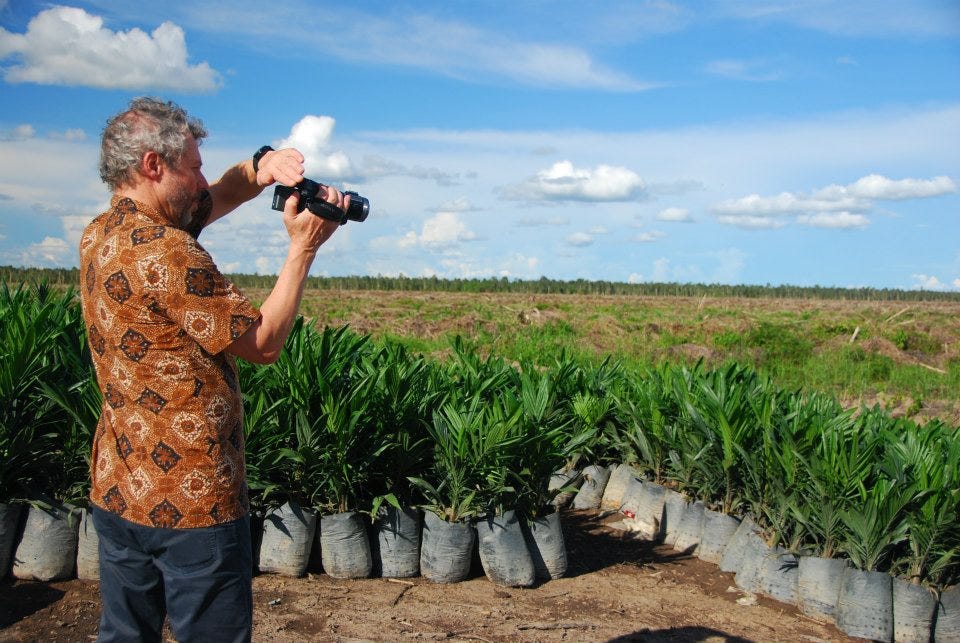
RFN’s Director Lars Løvold documents the destruction.
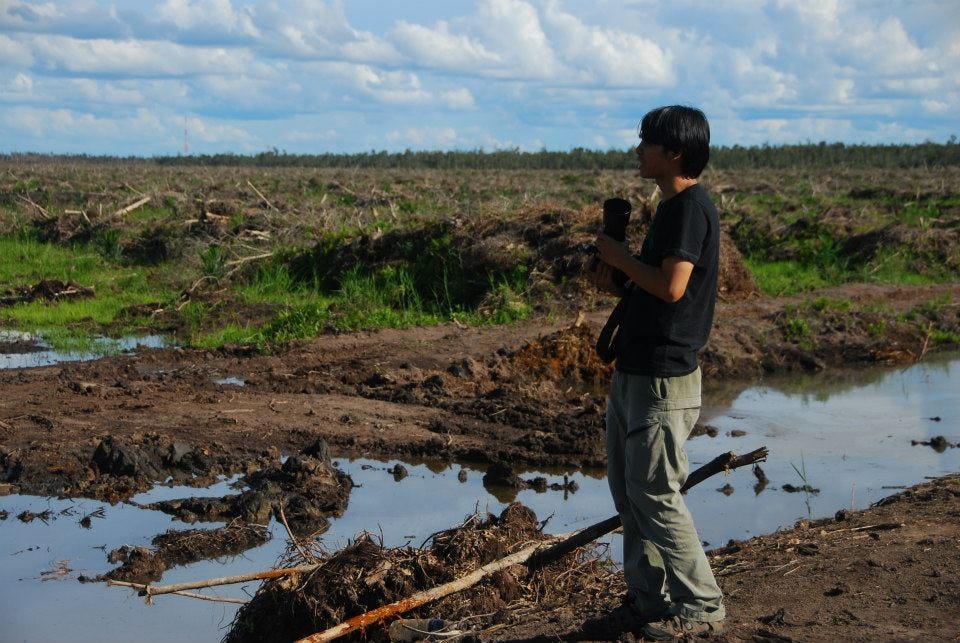
Arie (Rio) Rompas, Director of Walhi Central Kalimantan, looks at the sad scenery.
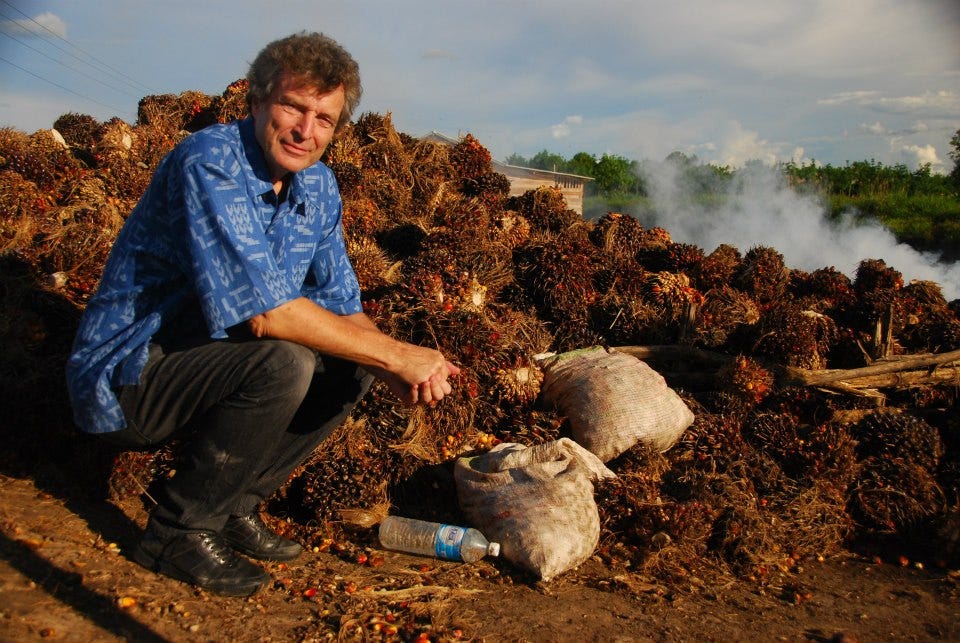
Dag Hareide, who took over as RFN’s Director on 1 January 2013, reviewing the oil palm catastrophe in Central Kalimantan.
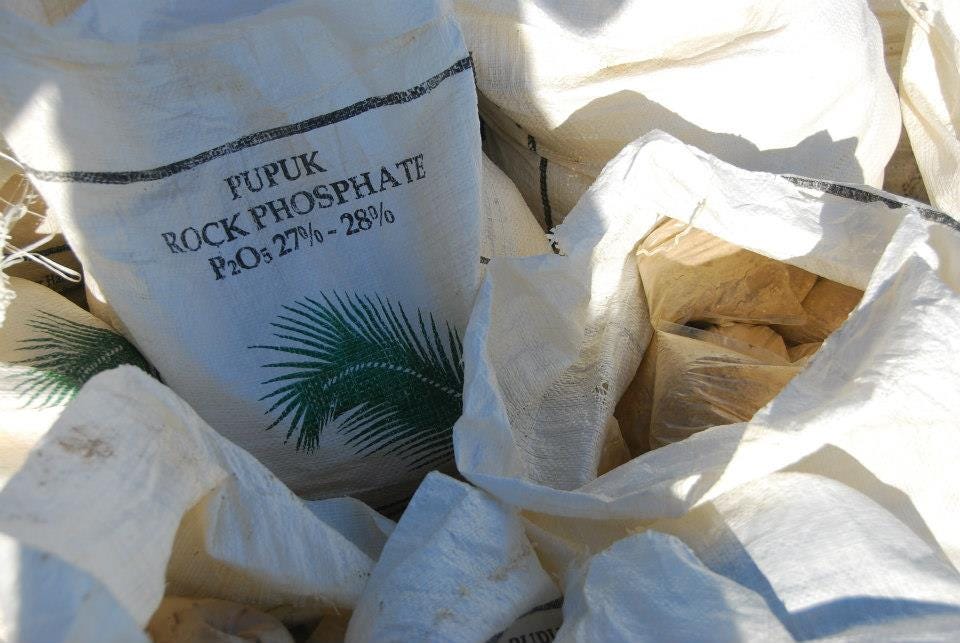
Phosphate and other chemicals are polluting the rivers and surroundings of oil palm plantations.
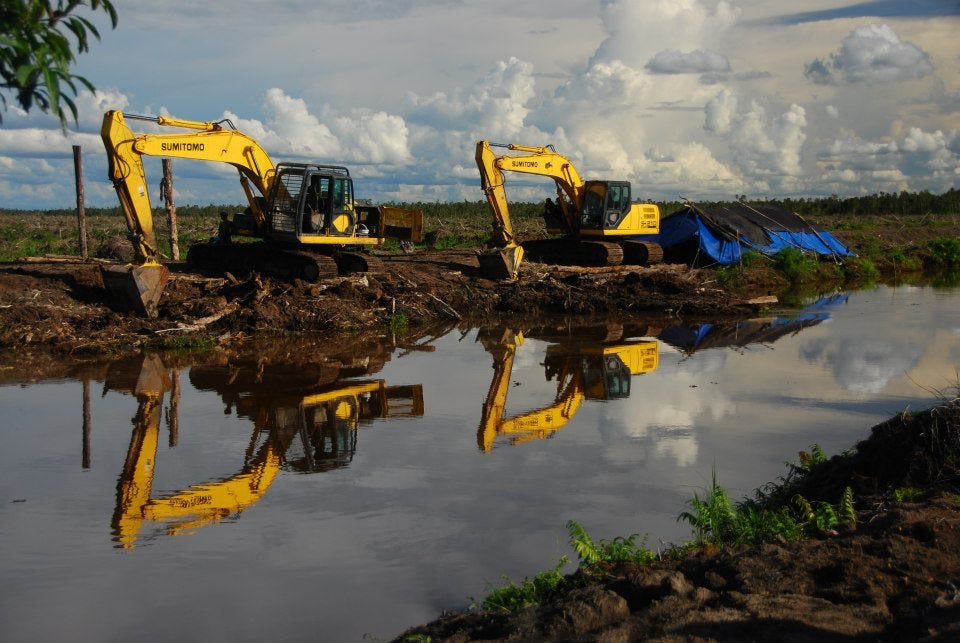
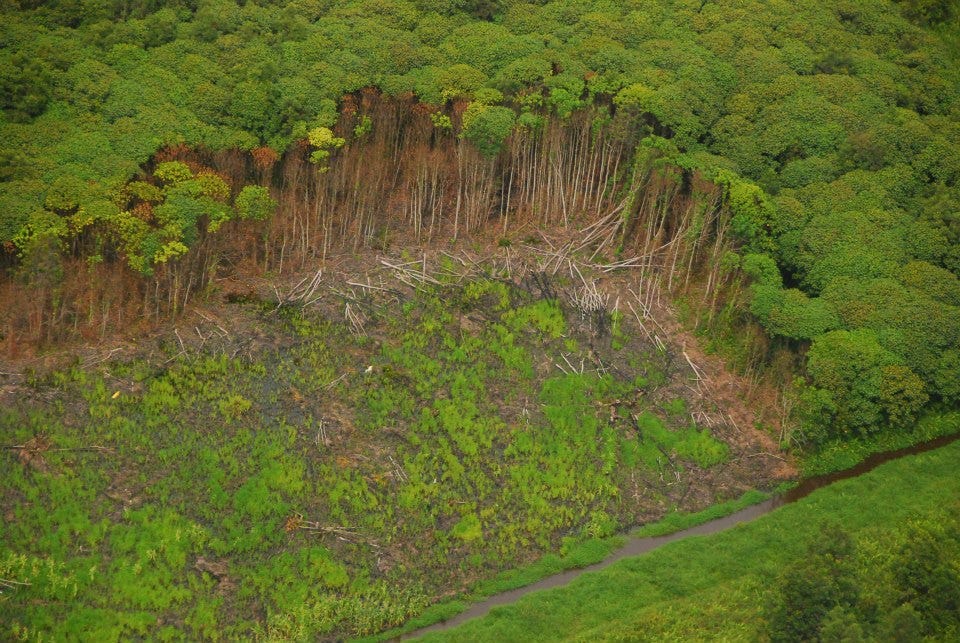
In a matter of days, heavy machines destroy what has taken nature centuries to make.
So sad . . .
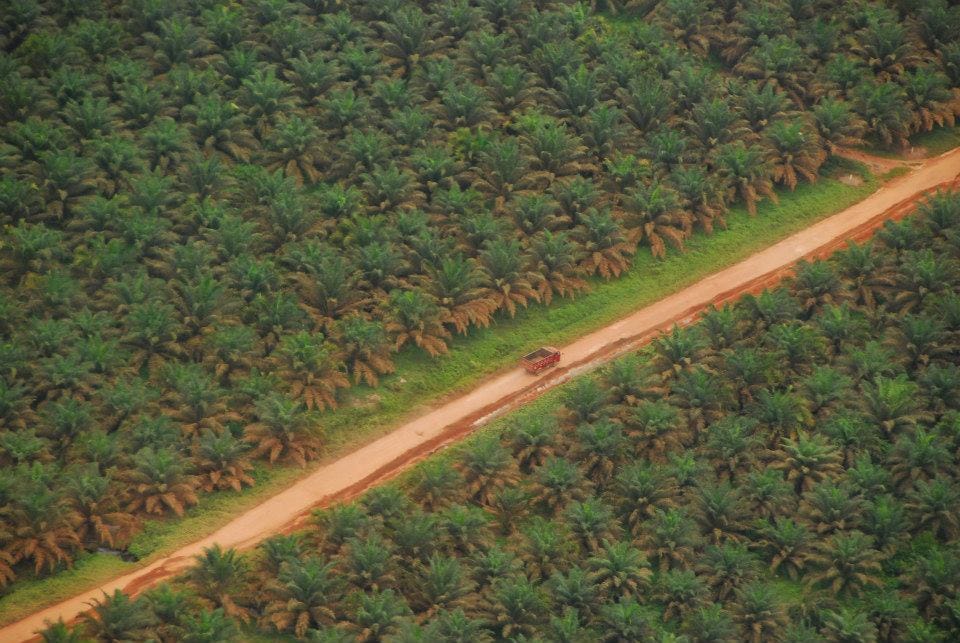
The truck looks tiny in the vast area of oil palm monoculture.
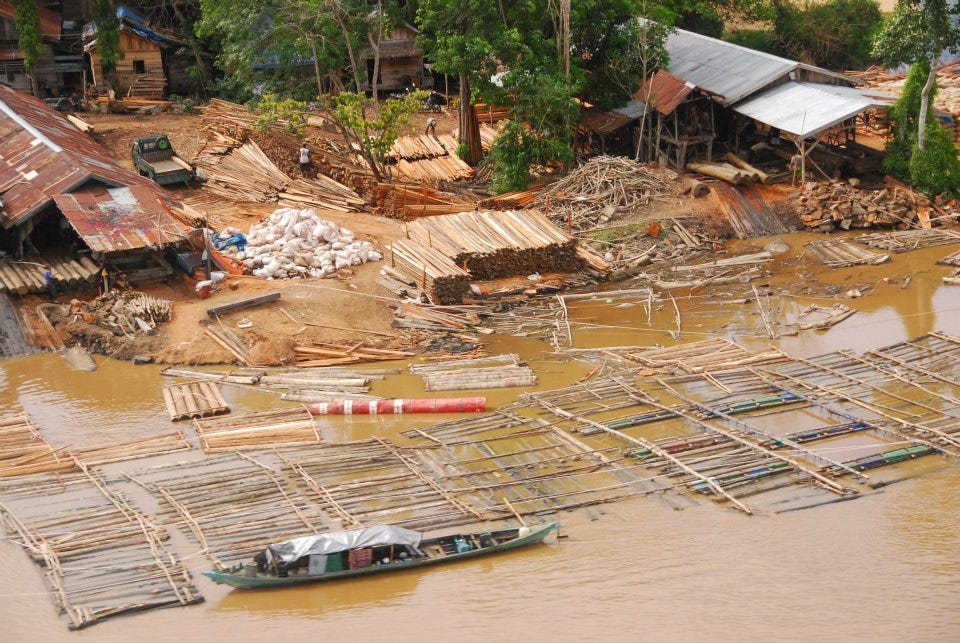
Lots of valuable timber coming from the clear cutting of plantation areas.
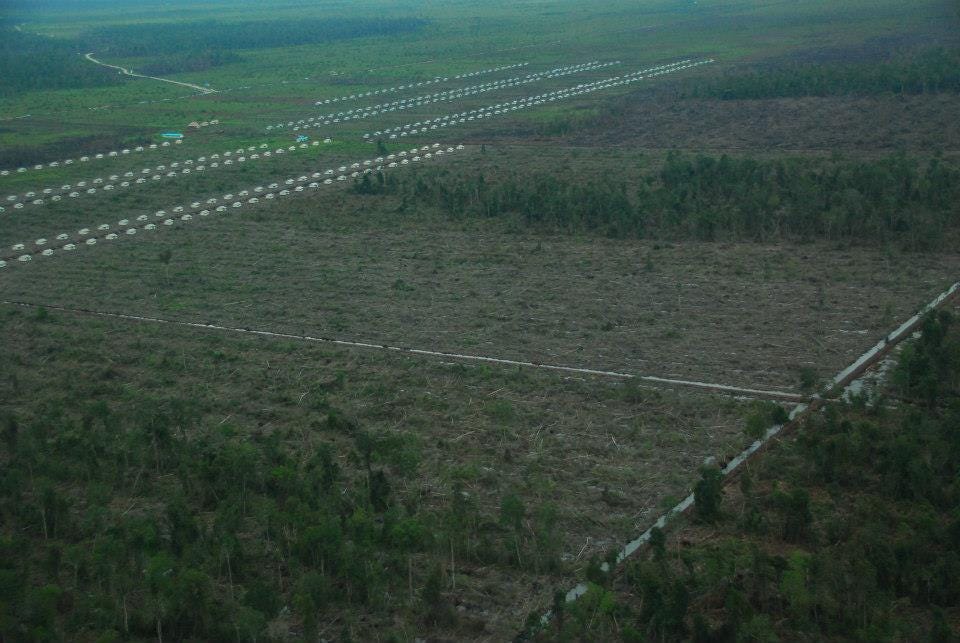
Canals must be dug to drain the peat.
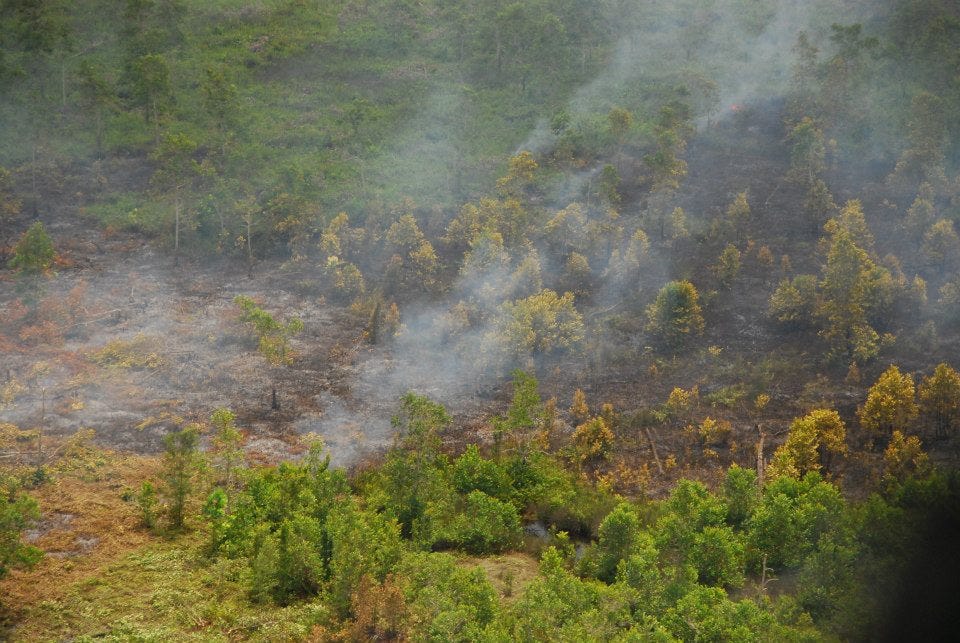
The dried out peat burns easily, releasing massive amounts of greenhouse gases.
The white dots in the distance are houses for transmigrants brought in to work on the plantations.


Comments following the original post on REDD-Monitor.org are archived here: https://archive.is/CKxIh#selection-969.4-969.14